
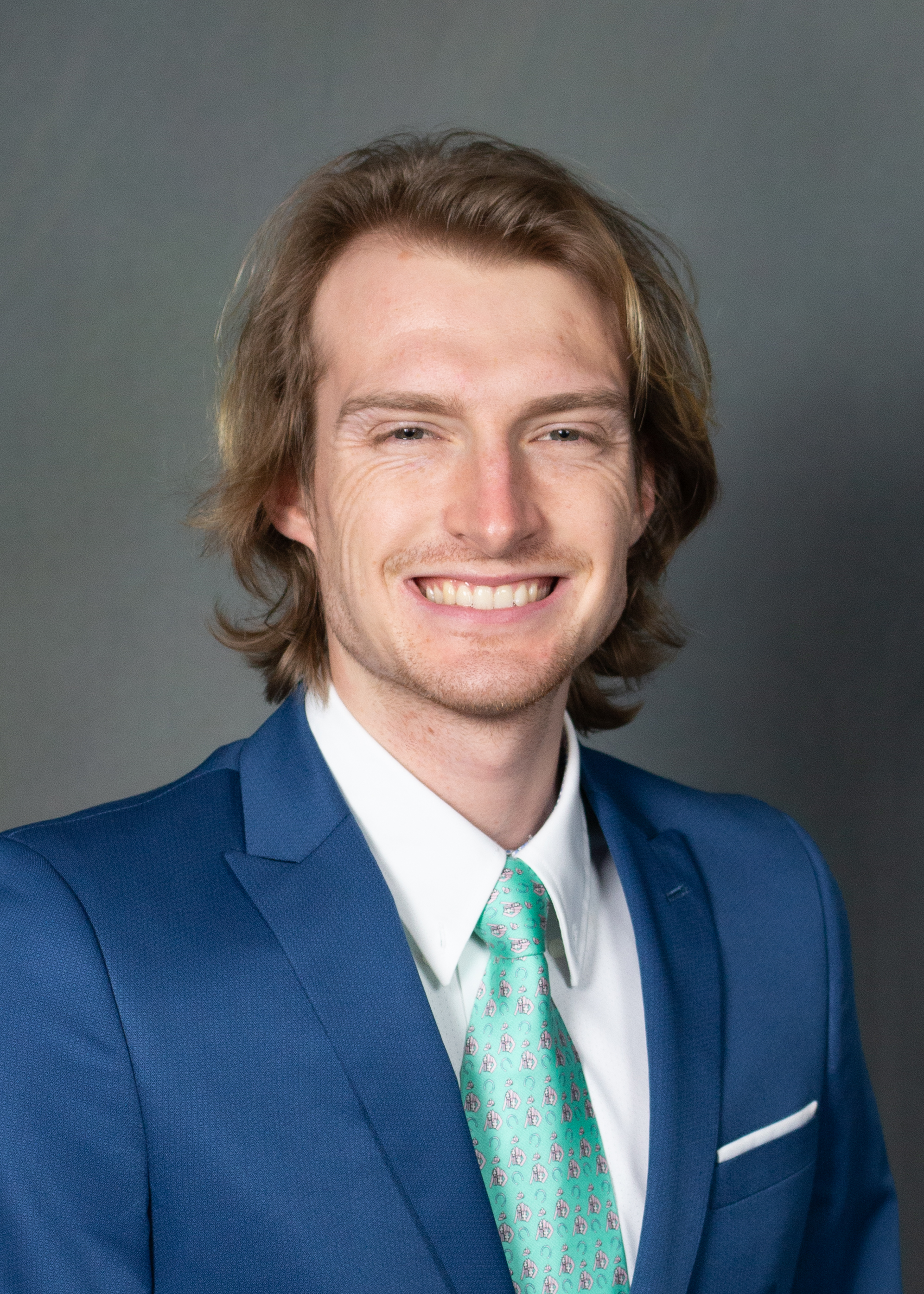
I’m Max Muir, DO—an internal medicine resident, selected chief resident for 2026–2027, and MBA student.
I’m drawn to questions that require me to get beneath an explanation and understand how the pieces actually fit. That might mean working through the physiology of a deteriorating patient, examining the assumptions behind a business, or helping someone understand a financial decision they have been putting off.
The subject changes. My commitment to understanding it stays consistent.
MuirMed brings together advisory work, investigation and analysis, financial education, and mentorship. Across those engagements, the commitment is personal involvement: learning the subject, examining the evidence, and taking responsibility for a useful result.
My foundation is internal medicine
I train at OhioHealth Riverside Methodist Hospital in Columbus, Ohio. My clinical strengths and interests include physiology, complex multisystem illness, diagnostic uncertainty, acute deterioration, and explaining evidence.
I’m especially drawn to high-acuity care, where several things may be happening at once and the explanation has to account for the patient’s condition as a whole.
Understanding the mechanism matters. A finding can be accurate and still be misinterpreted. Several individually reasonable decisions can interact in an unexpected way. New information can require you to reconsider an explanation you were confident in an hour earlier.
That work demands preparation, attention, and the ability to act while remaining willing to revise your thinking.
My selection as chief resident for 2026–2027 is an important next responsibility in my training. My long-term goal is to practice cardiology while maintaining substantive advisory work alongside clinical medicine.
A business perspective, grounded in the details
I am halfway through my MBA at Oklahoma State University.
Business study gives me another way to examine questions that already interest me: how organizations allocate resources, how incentives affect behavior, how financial information reflects operating decisions, and how teams decide what is worth pursuing.
That perspective informs MuirMed’s approach to investment research, economic and commercial analysis, advertising strategy, software, AI, and blockchain. Each field requires its own questions.
When examining a company, I investigate why customers choose it, how it earns money, what supports its competitive position, and which assumptions carry the most weight in its future.
When examining a technology, I assess what it makes possible, what it asks of the user, and whether its benefit remains meaningful once the surrounding work is included.
When examining an organizational decision, I examine who benefits, whose responsibilities change, and what the proposed improvement requires in practice.
I enjoy learning the details that make each subject distinct. A useful conclusion depends on getting those details right.
Learn the field. Understand its mechanics.
A new field calls for a deliberate learning process.
That means learning its vocabulary, understanding its mechanisms, examining its history, and speaking with people who know how it functions. Recognizing what carries over from another field—and what requires a different approach—is part of the work.
The aim is to connect information that initially appears unrelated into a coherent explanation that can be tested.
I also take seriously the difference between becoming conversant in a subject and being able to contribute responsibly. Each assignment establishes what I can own, what needs investigation, and where specialist expertise belongs.
Adaptability requires preparation, sustained effort, and a willingness to revise the first explanation when the evidence calls for it.
How I approach a claim
Suppose a company says its software saves professionals five hours each week, has a thousand paying customers, and needs investment to expand.
The first step is to establish what those statements mean.
What task is being performed? How long does it normally take? For whom? Under what conditions? How were the five hours measured?
How does the product produce the saving? Does it introduce checking, correction, training, or work that moves to another person? What does the customer do with the time recovered?
Who are the paying customers? What led them to purchase? Why do they stay? Which alternatives did they consider? Do different groups receive different kinds of value?
And what does expansion mean? Into which customers, markets, or uses? What has to happen for the proposed investment to produce the expected result?
The investigation combines customer conversations and hands-on product use where feasible, comparing that experience with the company’s explanation and examining the differences.
The conclusion identifies where the value appears strongest, what needs refinement, which assumptions remain uncertain, and the recommended next step.
That is an illustration of how I think. The initial claim is the beginning of the investigation.
Responsibility from investigation through implementation
A defined question deserves clear ownership and the follow-through to turn investigation into a useful result.
That requires understanding the decision ahead, agreeing on the scope, identifying the information needed, and doing the work to reach a conclusion. It also requires communicating when the investigation changes direction or reveals that the original question was incomplete.
Expect questions about the context: why the assignment matters, which decision it supports, and how the findings will be used.
Expect a considered point of view, supported by evidence and explicit about uncertainty. The reasoning should make clear what could change the conclusion.
Continuing engagements carry the recommendation into practice and evaluate what happens. Implementation can expose something the original analysis missed. That is a reason to stay engaged and learn.
Dedication shows up in the details
For me, taking a problem seriously means returning to the part that remains unresolved.
It means checking whether an assumption is supported, asking the follow-up question, and revisiting an explanation when the pieces do not fit. It means preparing enough to make a discussion productive and being willing to do the less visible work behind a useful recommendation.
Persistence matters when it moves the work toward a decision. Investigation needs a purpose. The team should know which questions matter most, what would resolve them, and when the available evidence is sufficient to act.
Depth of understanding and responsibility for making progress are central to every engagement.
Explaining something is part of understanding it
I enjoy helping people make sense of subjects that initially feel inaccessible.
In medicine, that may involve connecting physiology to a clinical finding or explaining why several pieces of evidence point in different directions. In financial education, it may mean working through what a retirement account is before discussing contribution decisions.
A useful explanation gives someone enough understanding to ask better questions and make their own judgment.
That is also why mentorship matters to me. A student deciding where to train or how to explain their interests deserves guidance that reflects their circumstances. The guidance begins with the person, provides direct feedback, and builds ownership of the decision.
The same commitment carries into advisory work. Findings become more useful when the people receiving them can understand the reasoning and examine it for themselves.
Ways to work together
MuirMed is built for teams that value preparation, intellectual honesty, and personal involvement.
That includes investment firms investigating companies, economic consultancies examining industries, agencies developing strategic briefs, legal teams working through unfamiliar subjects, and businesses seeking ownership of an unresolved question.
Individual education and mentorship serve residents making sense of their benefits and students preparing for the next stage of training.
The relationship is tailored to the work: a focused assignment, ongoing advisory support, or a suitable contract or part-time role alongside clinical practice.
My medical training is the deepest established part of my background. My business and analytical capabilities continue to develop through study and applied work. Engagements build on that foundation, with responsibilities defined around the work and the expertise it requires.
Why MuirMed
MuirMed brings this range of advisory, analytical, and educational work together through direct collaboration with Max Muir.
Different decisions require different methods, evidence, and expertise. The common thread is a disciplined approach: understand the subject thoroughly, form a defensible view, and follow through.
Start a conversation about the question your team needs to resolve.
Start with the question that matters.
Describe the decision, the unresolved questions, and the support your team needs.